

Joint Care & Pain Relief
The 15 Most Dangerous Foods for Arthritis & Inflammation
Nov
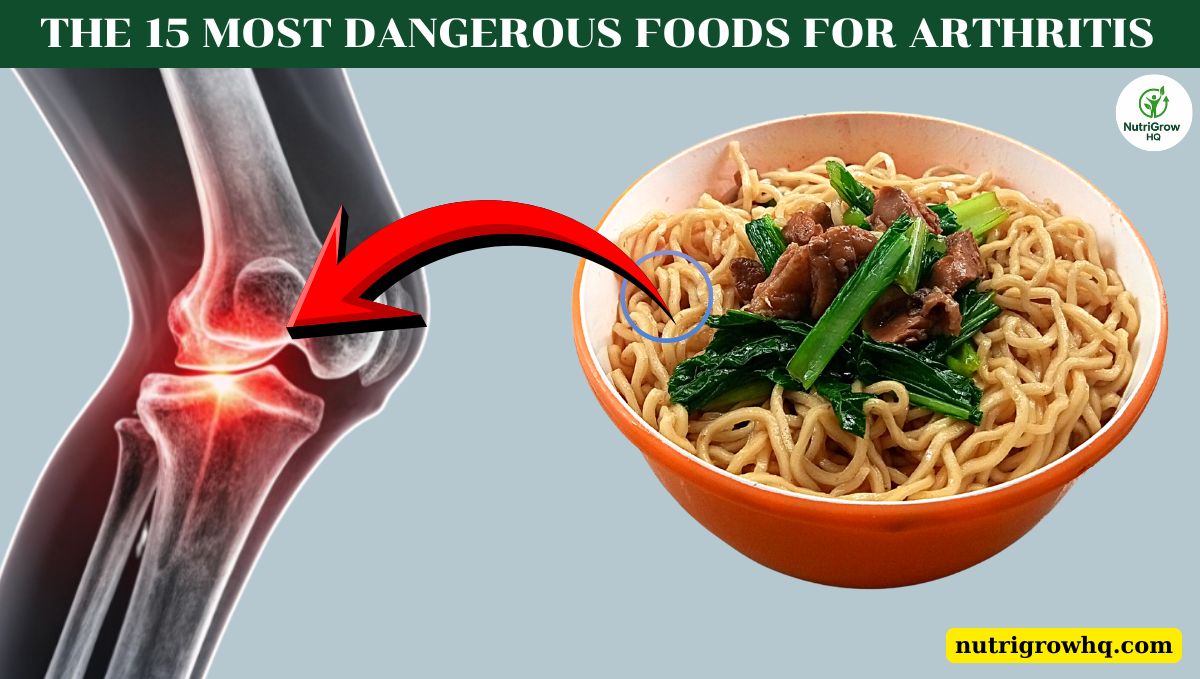
- If you’ve ever finished a meal and noticed your joints feel stiffer, more swollen, or simply more painful, you’re definitely not alone. Many people over 40, especially those living with arthritis, find that certain foods can make their symptoms noticeably worse. But which foods are the biggest culprits? And more importantly, why do they cause flare-ups in the first place?
Welcome to today’s video, where we’re exploring The 15 Most Dangerous Foods for Arthritis. These are the everyday items that might be quietly intensifying your arthritis pain, contributing to inflammation, or slowing your joint recovery. Some of them show up in breakfast, lunch, dinner — and even snacks you might think are harmless.
By the end of this video, you’ll understand the science behind these foods, how they may aggravate arthritis, and what you can swap in to support healthier, calmer joints. Whether you’re managing osteoarthritis, rheumatoid arthritis, or occasional joint stiffness, this information may help you make choices that naturally reduce inflammation.
Before we begin, remember this is educational content only — not medical advice. Everyone’s body responds differently, so talk with your healthcare provider about what’s best for you.
Now, let’s dive in and take control of your joint health, one meal at a time.\

1. Soda and Sugary Drinks.
Sugary drinks — especially soda — are some of the most problematic beverages for people living with arthritis or chronic joint pain. These drinks are packed with refined sugars, particularly fructose, which the body processes very quickly. When large amounts of sugar enter the bloodstream, it can stimulate the release of inflammatory chemicals that may aggravate existing joint discomfort. For someone already dealing with arthritis, this can mean more swelling, more morning stiffness, and a noticeable increase in tenderness around the joints.
Another challenge with sugary drinks is how easily they contribute to weight gain. Because these beverages don’t provide satiety — meaning they don’t help you feel full — they can add hundreds of extra calories without you realizing it. Even modest weight gain can place additional stress on weight-bearing joints such as the knees, hips, and lower spine. This mechanical pressure may amplify arthritis symptoms, especially during daily movement like walking, climbing stairs, or bending.
Sugary beverages also encourage the formation of compounds called advanced glycation end products, often shortened to AGEs. These substances develop when sugar interacts with proteins or fats in the body, and they’re known to contribute to inflammation and oxidative stress. For people with arthritis, this added stress can create a cycle where the joints feel increasingly irritated over time.
The good news is that replacing sugary drinks doesn’t have to feel restrictive. Even small changes can make a difference. Many people enjoy switching to water infused naturally with lemon, cucumber, mint, or berries. Herbal teas — whether warm or iced — offer flavor without added sugar. You can also choose diluted fruit juices or sparkling water with a splash of natural flavoring. These gentler alternatives may help reduce inflammation, support joint comfort, and contribute to better overall health.
2. White Bread and Refined Grains
White bread may seem like a simple, everyday food, but for many people managing arthritis, it can quietly contribute to inflammation and increased joint discomfort. The main issue lies in the refined flour used to make most white bread. During processing, the grain’s bran and germ are removed, stripping away natural fiber, vitamins, and minerals. What remains is mostly starch, which the body breaks down very quickly into glucose. This rapid breakdown leads to sharp spikes in blood sugar and insulin. Over time, frequent blood-sugar swings may encourage inflammation, something individuals with arthritis often feel as worsened stiffness or more frequent flare-ups.
Because refined grains digest so quickly, they also fail to keep you full for long. This can lead to overeating or snacking, which may contribute to weight gain — a factor that can place even more pressure on weight-bearing joints like the knees and hips. In contrast, whole grains digest more slowly and offer a steadier source of energy, reducing the likelihood of blood-sugar peaks that may irritate sensitive joints.
Simply choosing whole-grain alternatives can make a meaningful difference. Whole-wheat bread, oats, brown rice, quinoa, and barley all provide fiber that supports more stable blood sugar and may help calm inflammation naturally. You don’t need to overhaul your entire diet overnight; even replacing half of your servings of white bread or refined grains with whole-grain options can support better joint comfort. These small, steady adjustments may help your body maintain a healthier balance and reduce unnecessary strain on your joints.
3. Bacon and Processed Meats
Bacon is a beloved part of many American breakfasts, but for those managing arthritis or chronic joint pain, it can be more problematic than it appears. Bacon is high in saturated fat, which may stimulate inflammatory pathways in the body. When inflammation is already present due to arthritis, these added triggers can make joints feel stiffer, more swollen, or more sensitive.
Processed meats like bacon, sausages, and deli meats also contain preservatives such as nitrates and nitrites. When exposed to high heat during cooking, these compounds can form substances known as advanced glycation end products, or AGEs. AGEs are linked to increased oxidative stress — something people with arthritis may notice as intensified discomfort or more frequent flare-ups. Over time, these inflammatory processes may make it harder for the body to maintain healthy joint function.
Salt is another concern. Bacon is naturally salty, and sodium can cause water retention, which may lead to puffier or more swollen joints. This added swelling can place extra pressure on already sensitive areas, making movement feel more difficult.
The good news is that you don’t need to give up satisfying breakfasts. Choosing leaner proteins like chicken, turkey, or plant-based options can offer flavor without the same inflammatory load. Even enjoying turkey bacon occasionally instead of traditional bacon may help reduce joint stress and support better comfort throughout the day.
Watch video: The 15 Most Dangerous Foods for Arthritis & Inflammation
4. Potato Chips and Other Fried Snacks.
Potato chips and other fried snacks may be delicious and convenient, but they can be surprisingly tough on your joints. These snacks are typically cooked in oils that become unstable at high temperatures, creating trans fats and other inflammatory compounds. Trans fats in particular are known to interfere with the body’s natural anti-inflammatory processes, which may leave joints feeling more irritated or achy — especially for those already managing arthritis.
Another factor is the high sodium content found in most processed snacks. Excess salt can cause the body to retain more water, which often leads to swelling in sensitive areas. Many people with arthritis notice this as puffiness or stiffness in the fingers, knees, and feet after eating salty foods. When fluid builds up around the joints, it can increase pressure and amplify discomfort.
The good news is that you don’t have to give up crunchy snacks altogether. Small changes can make a meaningful difference. Baked chips, air-popped popcorn, or lightly salted nuts can satisfy the craving for something crispy while keeping inflammatory triggers much lower. Choosing snacks made with healthier oils, like olive or avocado oil, may also offer a gentler option. These swaps can help you enjoy your favorite textures without adding unnecessary stress to your joints.
5. Beer and Alcoholic Beverages.
Beer may feel like a comforting way to unwind, but for many people living with arthritis, it can contribute to increased joint discomfort. One of the main reasons is the presence of purines — natural compounds found in certain foods and beverages. When purines break down inside the body, they produce uric acid. Elevated uric acid levels are a well-known trigger for gout, a painful form of arthritis that often leads to sudden, intense joint inflammation.
Beer also contains alcohol, which can disrupt the body’s natural mechanisms for managing inflammation. Alcohol may affect hormone balance, liver function, and immune responses, all of which play a role in how the body handles inflammatory signals. For those who are sensitive to gluten, the barley and wheat used to brew most beers can pose an additional challenge. Gluten may contribute to inflammation in individuals with sensitivities, potentially compounding arthritis symptoms.
Still, enjoying the occasional beverage doesn’t have to be off-limits. Moderation can go a long way in supporting joint comfort. Some people find relief by switching to gluten-free alcoholic drinks, like certain wines or gluten-free beers, while others prefer non-alcoholic options such as sparkling water with a splash of citrus. Exploring these alternatives may help you unwind without putting extra stress on your joints.
6. Ice Cream and High-Sugar Desserts
Ice cream is a favorite treat for many people, but for those managing arthritis or recurring joint discomfort, it may be more problematic than it seems. This dessert combines two ingredients that can fuel inflammation: sugar and saturated fat. Sugar can stimulate inflammatory pathways in the body, and when you pair it with saturated fat, the effect may be even stronger. Many people notice their joints feel stiffer or more sensitive the day after enjoying a heavy dessert, and this combination is one possible reason why.
Another concern is that sugary desserts can easily contribute to weight gain when enjoyed frequently. Ice cream is calorie-dense, meaning a small serving carries a lot of calories without leaving you very full. Over time, added weight can increase pressure on weight-bearing joints such as the knees, hips, and lower back, potentially intensifying arthritis symptoms.
The good news is that there are plenty of joint-friendly ways to enjoy something sweet. Lower-sugar frozen yogurt, fruit-based sorbets, or homemade “nice cream” made from blended frozen bananas can be satisfying alternatives. These options provide the creamy texture and sweetness you may be craving while being gentler on your joints. Small swaps like these can help you enjoy dessert without worsening inflammation or discomfort.
7. Margarine and Highly Processed Spreads
Margarine and other highly processed spreads may seem like convenient, lighter alternatives to butter, but they can pose challenges for people managing arthritis or chronic joint inflammation. Many traditional margarines are made using hydrogenated oils, which can create trans fats during processing. Even when the label claims “trans-fat-free,” small amounts may still be present due to manufacturing methods. These trace amounts may still influence inflammation in the body, especially when consumed regularly.
Another issue is the high level of omega-6 fatty acids found in many processed spreads. While omega-6 fats are essential for health, modern diets tend to include far too many of them compared to anti-inflammatory omega-3 fats. When this balance is off, the body may be more inclined to trigger inflammatory pathways — something people with arthritis may feel as increased stiffness, swelling, or discomfort.
The good news is that healthier, more joint-friendly alternatives are easy to incorporate into your routine. Spreading a small amount of extra-virgin olive oil, avocado, or even a light drizzle of nut butter on toast can offer flavor without the inflammatory effects. These options provide beneficial fats that may naturally support better joint comfort. Simple swaps like this can contribute to a more balanced diet and gentler inflammation levels over time.
8. Pepperoni Pizza
Pepperoni pizza is a comfort food favorite, but unfortunately, it brings together several ingredients that may trigger inflammation for people managing arthritis or chronic joint pain. The refined flour used in most pizza crusts breaks down quickly into sugar once eaten, which can lead to spikes in blood glucose and insulin — two factors that may encourage inflammation. For individuals with sensitive joints, this can sometimes translate into increased stiffness or discomfort after a pizza-heavy meal.
The toppings add their own challenges. Pepperoni is a processed meat, meaning it contains preservatives, nitrates, and saturated fats that may heighten inflammation or oxidative stress in the body. Cheese, while delicious, is also high in saturated fat and salt. When you combine these elements with sodium-rich sauces, it creates a meal that can be especially tough on inflamed joints.
The good news is that pizza itself isn’t off-limits — it’s all about making it more joint-friendly. Choosing a thin-crust or whole-grain crust reduces the glycemic load. Adding plenty of vegetables provides antioxidants and fiber, which may help counterbalance inflammation. Opting for lean proteins or lighter cheese options can also support better joint comfort. Homemade pizzas give you full control over ingredients, making it easier to enjoy this beloved dish without worsening arthritis symptoms.
Read more: Top 5 Collagen-Rich Foods to Support Joint Repair and Naturally Ease Arthritis Pain
9. Diet Soda
Diet soda is often marketed as a smarter, low-calorie choice, but when it comes to joint health, it may not be as harmless as it appears. Many diet sodas contain artificial sweeteners such as aspartame or sucralose. While research is ongoing, some people may be sensitive to these ingredients, and early studies suggest they could influence inflammatory pathways in certain individuals. For someone already dealing with arthritis, even small changes in inflammation can make joints feel stiffer or more uncomfortable.
Another concern is the way diet soda can affect metabolism and appetite. Some research indicates that artificial sweeteners may confuse the body’s natural hunger signals, increasing cravings for sugary or high-calorie foods. Over time, this can contribute to weight gain — a key factor that directly impacts joint comfort. Extra weight puts more pressure on the knees, hips, and spine, potentially intensifying arthritis symptoms.
Diet soda may also influence gut bacteria, which play a role in inflammation and overall immune balance. When gut health is disrupted, some people may notice increased sensitivity in their joints.
Fortunately, there are refreshing alternatives that are easier on the body. Sparkling water with natural fruit essence, carbonated mineral water, or plain water with lemon, lime, or berry slices can deliver the fizzy satisfaction many people enjoy without the potential inflammatory drawbacks of diet soda.
10. Instant Noodles and Highly Processed Meals
Instant noodles are incredibly convenient, making them a popular option for busy days. However, for people managing arthritis or chronic joint pain, they can bring more challenges than benefits. One of the biggest concerns is their extremely high sodium content. Excess sodium may encourage the body to retain water, which can lead to swelling around the joints — something many people with arthritis feel as increased stiffness or tenderness.
In addition to salt, instant noodles often contain preservatives and flavor enhancers like MSG. While some individuals tolerate these ingredients without issue, others find that they contribute to headaches, inflammation, or joint discomfort. Highly processed meals also tend to be low in essential nutrients, offering calories without the vitamins and minerals that support joint health.
Another factor is the type of oil used during manufacturing. Many instant noodles are pre-fried in inexpensive oils high in omega-6 fatty acids. When omega-6 fats outweigh omega-3 fats in the diet, the body may shift toward a more inflammatory state — something that can make arthritis symptoms more noticeable.
The good news is that convenience doesn’t have to mean compromising joint comfort. Quick alternatives like whole-grain pasta cups, instant brown rice bowls, pre-cut vegetables, or low-sodium soups can provide similar ease with far fewer inflammatory triggers.
11. Grape Seed Oil
Grape seed oil is often promoted as a heart-healthy cooking oil, and while it does have some beneficial properties, it may not be the best choice for people managing arthritis — especially when used frequently. The primary concern is its very high concentration of omega-6 fatty acids. Although omega-6 fats are essential, most modern diets already contain far more omega-6 than omega-3 fats. This imbalance may encourage the body to lean toward inflammation rather than balance or repair.
For someone with arthritis, this imbalance can be especially noticeable. Excess omega-6 intake may contribute to chronic, low-grade inflammation, which some people experience as more joint stiffness, swelling, or discomfort. While grape seed oil isn’t harmful on its own, using it often — especially in high-heat cooking — may add to an already inflammatory dietary pattern.
The good news is that you don’t have to eliminate it altogether. Using grape seed oil occasionally, such as for light sautéing or salad dressings, is perfectly reasonable. However, choosing oils with naturally higher levels of anti-inflammatory fats can offer more support for joint comfort. Extra-virgin olive oil, avocado oil, and flaxseed oil are excellent alternatives. These oils contain healthier fat profiles that may help calm inflammation and provide more sustained support for joint health.
12. French Fries
French fries are one of the most popular comfort foods, but for individuals managing arthritis or chronic joint discomfort, they can be surprisingly tough on the body. Several factors contribute to this. First, French fries are typically cooked in oils that become unstable at high temperatures. This frying process can create advanced glycation end products, or AGEs, along with trans fats — both of which may promote inflammation and oxidative stress in the body. These inflammatory triggers can make joints feel stiffer, more swollen, or more sensitive after eating fried foods.
Salt is another significant concern. Most fries are heavily seasoned, and high sodium intake can cause the body to retain excess fluid. For people with arthritis, this water retention often shows up as additional swelling around the joints, particularly in the fingers, knees, or ankles. Meanwhile, the potatoes themselves — once fried — break down quickly into sugar, leading to blood-sugar spikes that may contribute to further inflammation.
Fortunately, you don’t have to avoid potatoes altogether. There are simple, joint-friendly ways to enjoy the same satisfying flavor and texture. Baked or air-fried potato wedges seasoned with herbs, garlic, or a light sprinkle of sea salt can provide a delicious alternative without the inflammatory burden of deep-fried versions. Small adjustments like these can make comfort food a bit more comfortable for your joints.
13. White Rice
White rice is a staple in many households because it’s easy to prepare and pairs well with almost any meal. However, for people managing arthritis or chronic joint pain, it may not always be the most supportive choice. White rice is considered a high-glycemic food, which means the body breaks it down very quickly into sugar. This rapid digestion can lead to sudden spikes in blood sugar and insulin levels. For individuals who are sensitive to these changes, the resulting fluctuations may contribute to inflammation.
For people living with arthritis — particularly inflammatory types such as rheumatoid arthritis — these blood-sugar spikes may play a role in increased flare-ups, morning stiffness, or swelling. Even if you don’t feel immediate effects, regularly eating high-glycemic foods like white rice can create patterns that make inflammation harder to manage over time.
The encouraging news is that simple substitutions can make a meaningful difference. Switching from white rice to whole-grain options such as brown rice, wild rice, quinoa, or barley can help stabilize blood sugar thanks to their higher fiber content. These alternatives digest more slowly, releasing energy steadily and reducing the likelihood of inflammation-triggering spikes. Over time, choosing these nutrient-rich grains may support more comfortable joints and improved overall well-being.
14. Cheesecake and High-Fat, High-Sugar Desserts
Cheesecake is rich, creamy, and satisfying — but for people managing arthritis or ongoing joint discomfort, it can be one of the more challenging desserts to enjoy regularly. This is because cheesecake brings together three elements that may fuel inflammation: sugar, saturated fat, and dense dairy. Sugar can stimulate inflammatory pathways in the body, while saturated fat may contribute to a higher overall inflammatory load when eaten frequently. Many people with arthritis notice that meals high in sugary, heavy desserts leave them feeling stiffer or sorer the following morning.
Another factor is calorie density. Cheesecake packs a substantial number of calories into a relatively small serving. When desserts like this become a routine part of the diet, they may contribute to gradual weight gain. Even a few extra pounds can increase the pressure on weight-bearing joints — especially the knees, hips, and lower back — potentially intensifying arthritis symptoms over time.
The good news is that enjoying dessert doesn’t have to be off-limits. Opting for lighter, more naturally sweet options can be gentler on your joints. Fresh fruit bowls, yogurt parfaits, fruit sorbets, or even a small square of dark chocolate can satisfy sweet cravings without the same inflammatory impact. These small, mindful changes may help you enjoy sweetness in your diet while supporting better joint comfort.
15. Corn-Fed Beef Steaks
Corn-fed beef is a common choice in many homes, but it may not always be the best option for people managing arthritis or chronic joint discomfort. One of the key concerns is its higher content of omega-6 fatty acids and saturated fats. While these fats are a normal part of the diet, consuming them in excess may encourage inflammation in the body — something individuals with arthritis can often feel directly as increased stiffness, swelling, or soreness. When meals regularly feature corn-fed steak, this inflammatory load may accumulate over time.
Grass-fed beef offers a more joint-friendly alternative. Because these cattle are raised on pasture rather than grain, their meat tends to contain more omega-3 fatty acids — the same beneficial fats found in fish. Omega-3s are known for their anti-inflammatory properties, which may help support calmer, more comfortable joints. Grass-fed beef also naturally contains more antioxidants, further supporting the body’s ability to manage inflammation.
If beef is a frequent part of your meals, you don’t need to remove it entirely. Simply choosing grass-fed versions when the option is available can make a meaningful difference. You can also rotate in fish, poultry, beans, or plant-based proteins to create a better balance of fats in your diet. These small adjustments can help reduce inflammation while still allowing you to enjoy satisfying, protein-rich meals.
Conslusion about The 15 Most Dangerous Foods for Arthritis & Inflammation
As you’ve learned today, many everyday foods can quietly contribute to inflammation and arthritis pain. From sugary drinks and refined grains to processed meats, fried snacks, and high-sugar desserts — these foods may make your joints feel stiffer, more swollen, or more sensitive over time.
But there’s good news: even small dietary changes may help reduce inflammation and support healthier joints. You don’t need perfection. You don’t need to eliminate every item on this list forever. The goal is simply to become aware of how certain foods affect your body and make gradual adjustments that help you feel better.
This might mean swapping soda for herbal tea… choosing whole grains instead of refined ones… or picking leaner proteins instead of high-fat processed meats. These small shifts, practiced consistently, may help calm inflammation and give your joints the support they deserve.
If you found this information helpful, be sure to subscribe so you can keep learning natural ways to care for your joints, reduce pain, and live with greater comfort and mobility. Share your experiences in the comments — your story may help someone else on their health journey.
Thank you for spending this time with me today. Take care of yourself, listen to your body, and remember: small steps can lead to meaningful improvements in your joint health.
